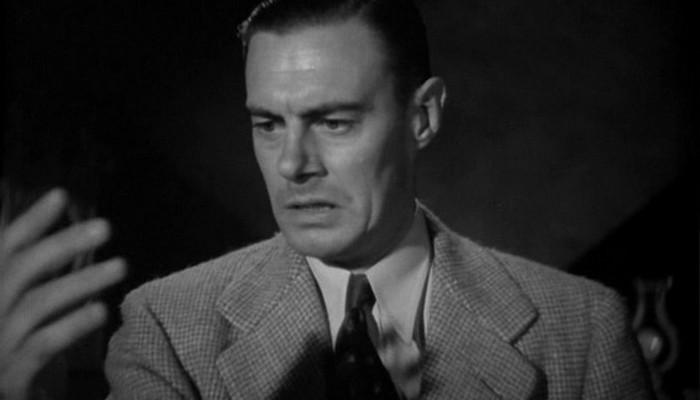
Plot
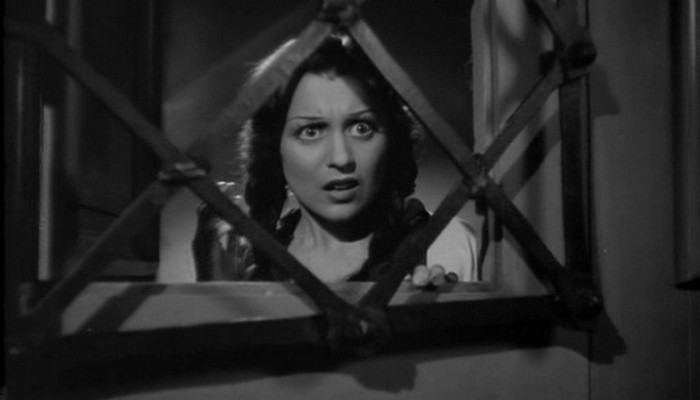
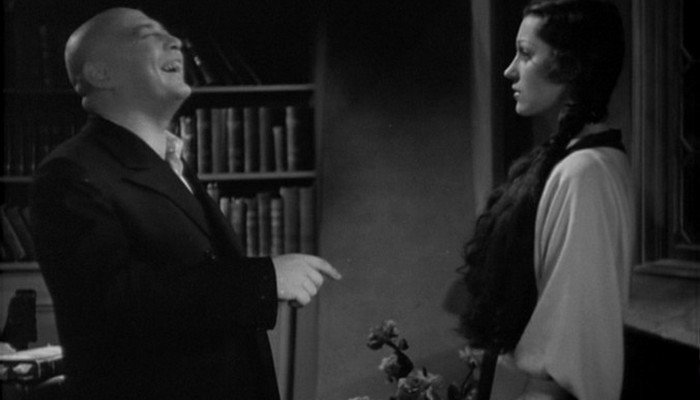
Paris, early 1900s. Brilliant surgeon Dr. Gogol is obsessively drawn to the beautiful Yvonne, a theatrical actress happily married to famous pianist Stephen Orlac.
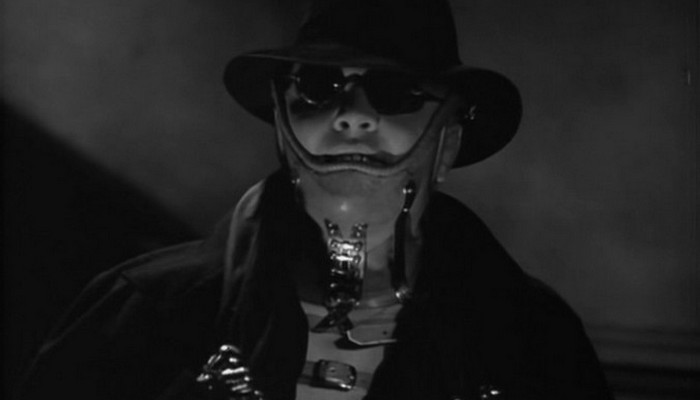
When the musician finds his artistic fortunes imperiled by a train crash which mutilates his hands, Yvonne turns to the surgeon, hoping he might be able to repair her husband’s mangled appendages and save his livelihood. Gogol agrees to treat Orlac, which he does by amputating the pianist’s damaged hands, replacing them with the scarred, grotesque hands of a convicted murderer, a knife-thrower who was executed by guillotine.
Although the operation is deemed a “success”, it doesn’t take long before the surgery’s tragic consequences begin to manifest…
You were wax, but you came to life in my arms.
Critique
7.5The novel “The Hands of Orlac” (Maurice Renard, 1921) had already been brought to the big screen by Robert Wiene with the silent film “The Hands of Orlac” (1924), and will be the source of inspiration for the later films “The Hands of Orlac” (1960) and “Hands of a Stranger” (1962).
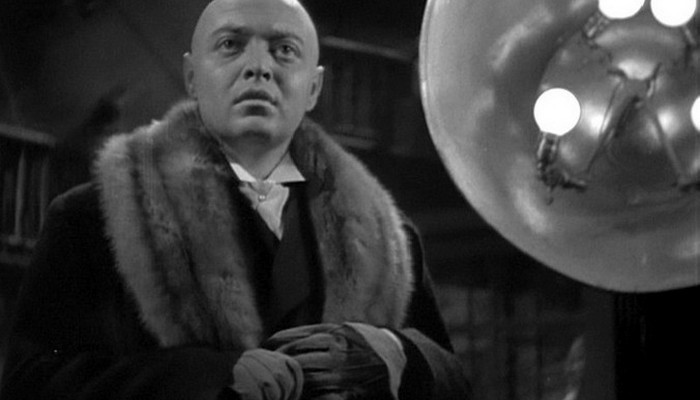
Karl Freund, mainly known as a cinematographer (“Metropolis”, 1927; “Murders in the Rue Morgue“, 1932), draws from the same literary well, directing a new adaptation that owes a large part of its narrative punch to the superlative performance of a Peter Lorre who is rather unsettling here, to say the least (watery gaze, hairless face, cadaverous complexion, monotone speech).
Truly terrifying is how his character’s progressive psychotic breakdown is portrayed. Unable to connect with love and beauty, Gogol ends up taking refuge in the Pygmalion myth in one of the most shocking conclusions in the history of the genre. It’s interesting to note that, despite the derision Dr. Gogol casts on psychoanalytic theory (“I told him a lot of nonsense I don’t believe myself“), his actions often serve to confirm those same theories. To wit, bursts of megalomania and attempted intellectualization represent classic subconscious processes aimed at sublimating repressed sexual impulses.
On a visual level, the most interesting scenes are those depicting the protagonist’s inner conflict (and here we’re inevitably reminded of 1931’s “M”) and his confabulations that lead him to take Oscar Wilde’s famous quip to heart: “Each man kills the thing he loves “.
Perhaps not an absolute masterpiece, but almost.
More Info
- Inspired by the novel "The Hands of Orlac" (1920) by Maurice Renard
Quotes
- Well, whose hands are these? [...] They have a life of their own. They feel for knives. They want to throw them. And they know how to.
- I, a poor peasant, have conquered science! Why can't I conquer love? Don't you understand? You must be mine.
- You know, I've come to depend on seeing you every night.
- You were wax, but you came to life in my arms.
Products
Disclosure
This page contains affiliate links. As an Amazon Associate I earn from qualifying purchases.
Image source: Amazon Partner Program
| Product name | Price | |
|---|---|---|
 | The Hands of Orlac | |
 | Mad Love (1935) & The Devil Doll (1936 |
| Nome del prodotto | Prezzo | |
|---|---|---|
 | Le mani di Orlac |
| Product name | Price | |
|---|---|---|
 | The Hands of Orlac | |
 | Mad Love |
| Nombre del producto | Precio | |
|---|---|---|
 | Las manos de Orlac: 398 (Libros del Tiempo) |
| Produktname | Preis |
|---|
| Nom du produit | Prix | |
|---|---|---|
 | Les mains d'Orlac |
| Product name | Price | |
|---|---|---|
| The Hands of Orlac |